

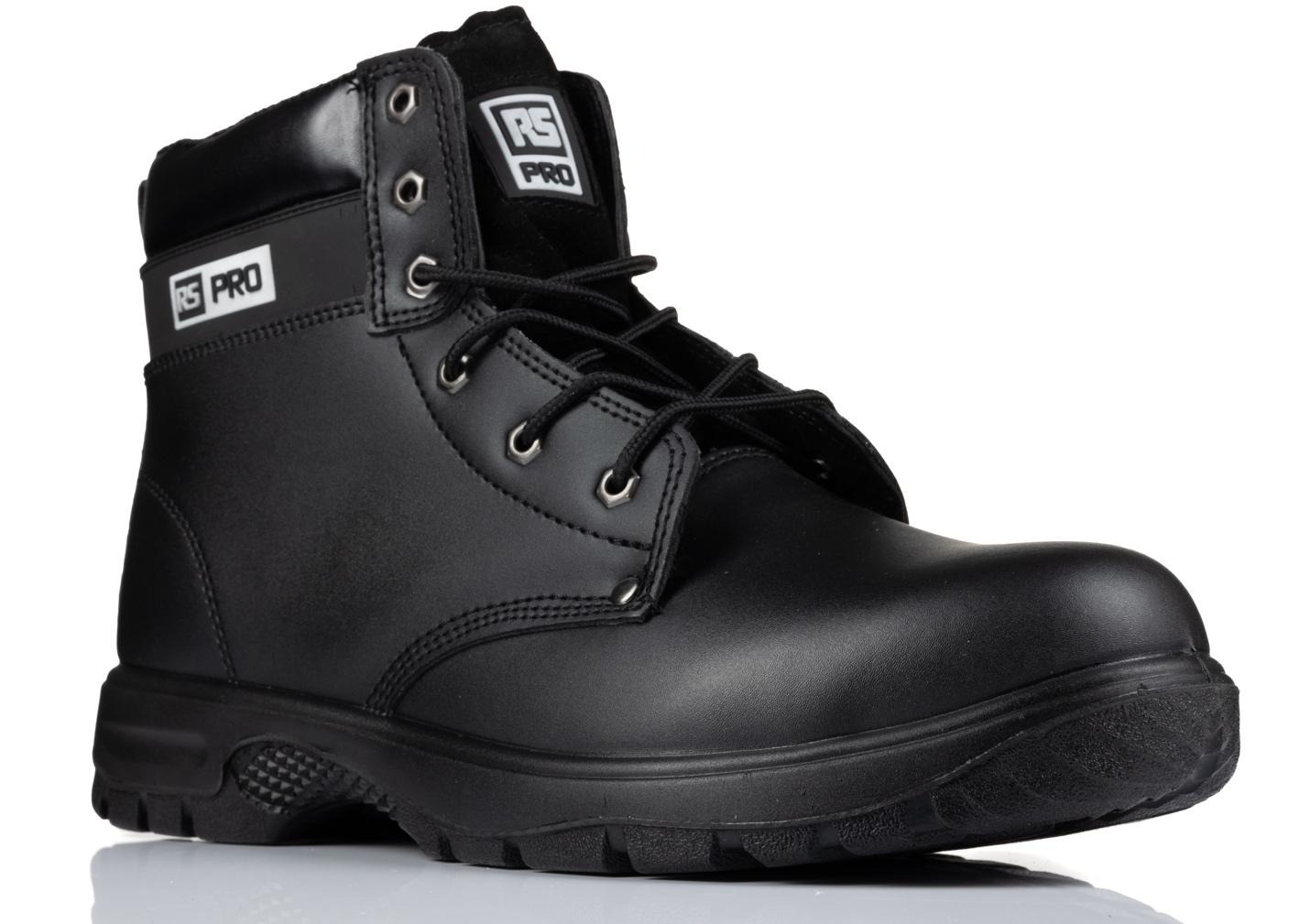
Most businesses tend to treat work boots as simply a part of safety equipment or compliance requirements. However, when workers are on long shifts, working boots usually extend beyond this. The many hours on concrete floors or outdoor sites exert repetitive strain on the feet. Over several weeks or months, this extends to movement and posture, even affecting productivity.
This makes it important for procurement managers to consider comfort when buying working boots as they influence how well a team can sustain performance, especially in physically demanding roles.
Why long shifts put pressure on your feet
Most working boots are designed to ensure workers are safe and also offer a degree of comfort. However, long shifts mean that someone is standing in one position for a long time or moving continuously, most likely handling or carrying heavy loads.
This is even more of a problem when working on hard surfaces like concrete and steel flooring, as these don’t absorb shock. The repeated impact then leads to soreness, stiffness, and reduced mobility.
How the right working boots support all-day comfort
Working boots designed for long shifts go beyond protecting workers against hazards to also reduce impact and improve balance.
Cushioning to absorb impact
Every time a worker takes a step on a hard surface, they receive a small amount of force back through the foot. Over the course of a long shift, this repeated impact causes fatigue.
When you get cushioned midsoles and insoles, they’ll help your workers by absorbing some of the force before it reaches the joints. It also prevents repetitive strains and delays soreness.
Proper support and stability
Support is important, as feet need to remain stable and in a natural position when working long shifts. Otherwise, the foot will roll slightly inward or outward whenever you are taking a step, putting unnecessary strain on the ankles and knees.
Working boots with structured support help maintain the alignment needed around the arch and heel. This is important for improving balance and reducing the effort a worker needs to stay stable.
Reducing pressure points
When weight is not evenly distributed or the boot doesn’t fit properly, pressure points develop easily. Over time, it causes discomfort and even leads to persistent foot issues.
Comfort working boots usually feature padded collars and secure fastening systems, among other features, to reduce friction and prevent the foot from shifting inside the boot.
How to Ensure Comfort When Choosing Working Boots
Comfort is shaped by several factors, with the key being reducing strain and supporting consistent movement even as fatigue begins to build.
Match boots to the work environment and risks
When working on hard floors, you need impact absorption. When you are outdoors or on uneven terrain, you need grip and stability. Ensure you choose working boots that align with the actual conditions that workers are facing. Avoid compromising comfort with unnecessary features and or missing key ones.
Make sure the fit works for the individual
Even when the shoes are designed for safety, they’ll still cause issues if they are too tight or too loose. You need a proper fit to ensure the heel is held securely and the foot has enough room for natural movement. It will help prevent localised pressure that turns into discomfort after several hours.
Look for a balance between support and flexibility
Working boots need to provide structure, but not at the expense of natural movement. When the rigidity goes beyond the required level, it can also start to feel tiring. But at the same time, little support can increase strain due to instability. Ensure that the design you choose matches the levels required by the type of work and environment.
