

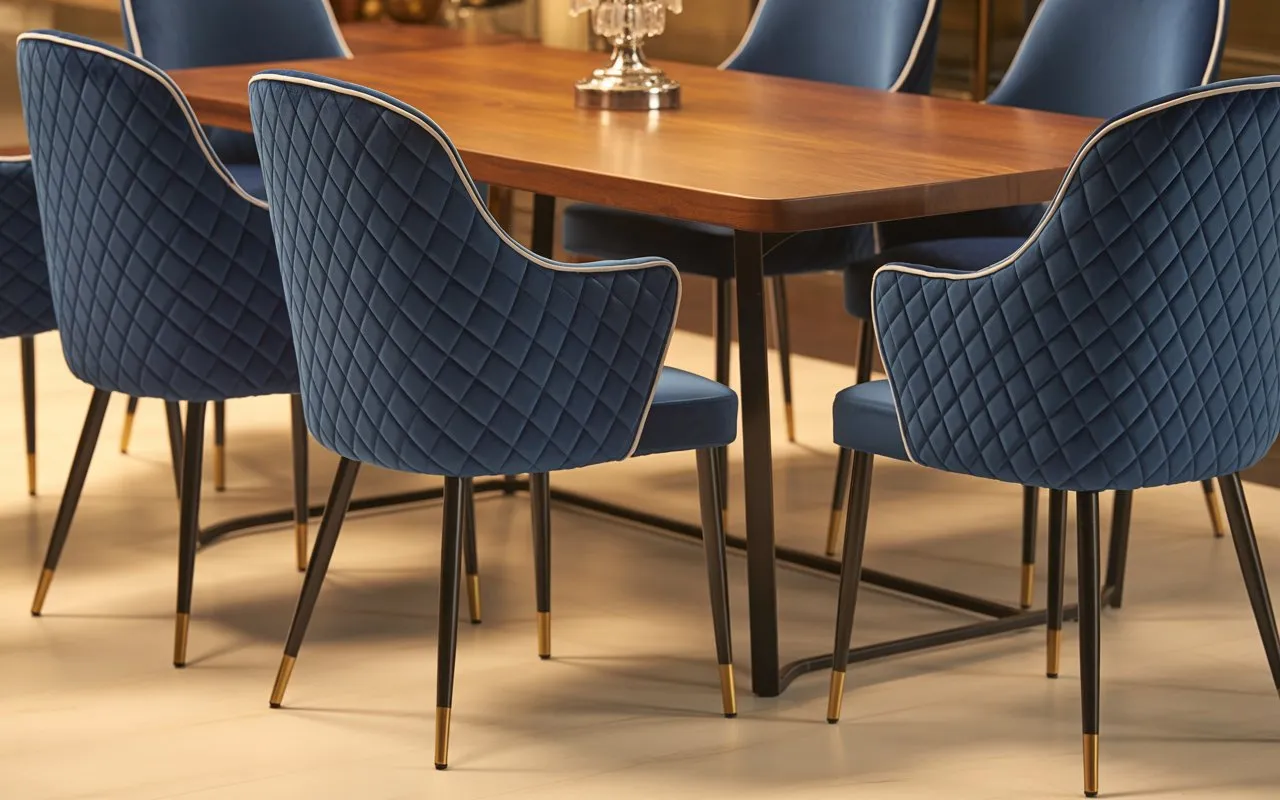
Picking chairs for a busy dining room is harder than it looks. You want something that fits the room’s mood, keeps guests comfortable for a long lunch, and shrugs off years of daily use. The three rarely arrive in the same chair by accident, so the smart move is to start with commercial-grade restaurant chairs built for the pace of a working venue, then narrow by style.
Home chairs and contract chairs live in different worlds. A dining chair from a furniture shop might survive a family kitchen for a decade. Put it in a pub or cafe and it’s loose at the joints within a season. This guide walks the balance so you buy once and buy right.
Start With How Hard the Chair Will Work
A bistro that changes tables three times for lunch needs more of a chair than a fine-dining restaurant that sits two sittings a night. Volume is everything. High turnover venues need frames that can bear repeated pulling, scraping and stacking without coming loose.
First, think about the weight rating and the frame material. Second, appearance. And a metal or strong hardwood frame takes the everyday grind. Particleboard and thin tube steel don’t. No matter how crisp they look in the showroom. Match the chair’s hardness to your busiest service, not your quietest service.
Comfort Guests Feel in the First Minute
A guest decides whether a chair is comfortable almost instantly. Seat depth, back angle, and a little give under the sit-bones do most of the work. This is where anthropometry, the study of body measurements, quietly earns its keep, because a seat sized for the average adult keeps most guests happy through a long meal.
Seat height around 18 inches suits a standard 30-inch table. A back that leans a few degrees past vertical supports the spine without swallowing the guest. Skip the plush look if the padding flattens in a month. A firm, well-shaped seat beats a soft one that dies young.
Match Material to the Room’s Personality
Style comes from material as much as shape. A reclaimed-wood chair reads warm and rustic. A brushed-metal frame reads industrial. A cross-back wood chair reads country pub. The frame sets the tone before a guest even sits down.
Here’s a quick way to match material to venue:
- Metal frames for industrial, urban, and high-traffic fast-casual rooms
- Solid wood for warm, traditional, and country-style dining
- Upholstered seats for hotels, lounges, and slower fine-dining service
- Resin or aluminum for anywhere that needs easy cleaning and stacking
None of these is a rule. A room can mix a metal frame with a padded seat and land somewhere in the middle. The point is to pick on purpose.
Upholstery Choices That Actually Last
If you go padded, the cover decides the lifespan. Household fabric pills and stains fast under restaurant use. Commercial vinyl and heavy coated fabrics wipe clean, resist grease, and take thousands of sittings. The right upholstery keeps a seat looking fresh long after a cheaper cover would have worn through.
Colour hides wear too. Mid-tones and patterns forgive the odd scuff. Pale cream shows every coffee ring by week two. Pick a shade that matches the room and covers for the occasional spill you know is coming.
Space, Stacking, and the Practical Stuff
A chair must live in your environment, not just appear good in a photograph. Before you fall in love with a design, measure between tables. Close-packed seats slowed down by armrests eating room. Armless chairs slide under tables and open up aisle space for waiters.
Stackable chairs are useful in settings that flip them for events or clear the floor for cleaning. A chair that stacks six or eight high saves storage and expedites a reset. If your room doesn’t alter shape then stacking isn’t so important and you can use that budget for comfort instead.
Cleaning and the Long Game
Every chair gets dirty. The question is how fast it cleans. Smooth frames wipe down in seconds. Ornate turned legs and deep fabric folds trap crumbs and grease and slow your close-down team every night.
Powder-coated metal resists rust and takes a damp cloth well, which is why it’s a workhorse in outdoor-adjacent and high-humidity rooms. Sealed wood handles spills as long as the finish stays intact. When you choose a chair that cleans quickly, you’re buying back staff time every single shift, and that adds up over a year.
Buying With Both Eyes Open
The greatest chair for your space is the one that looks and feels right after 2 winters of full service. Style gets a sitter . They stay for comfort. Daily wear determines if you’re reordering in eighteen months or resting easy for a decade. Don’t simply look at the one that attracted your eye – compare all three.
If you can, obtain a sample. Sit in it, rock it, examine the joints and welds, drag it on a hard floor and listen. A chair that passes a hands-on test in your own room is worth more than a five-star snapshot. Buy for the service you really run and the chair will pay you back quietly, shift after shift.
