

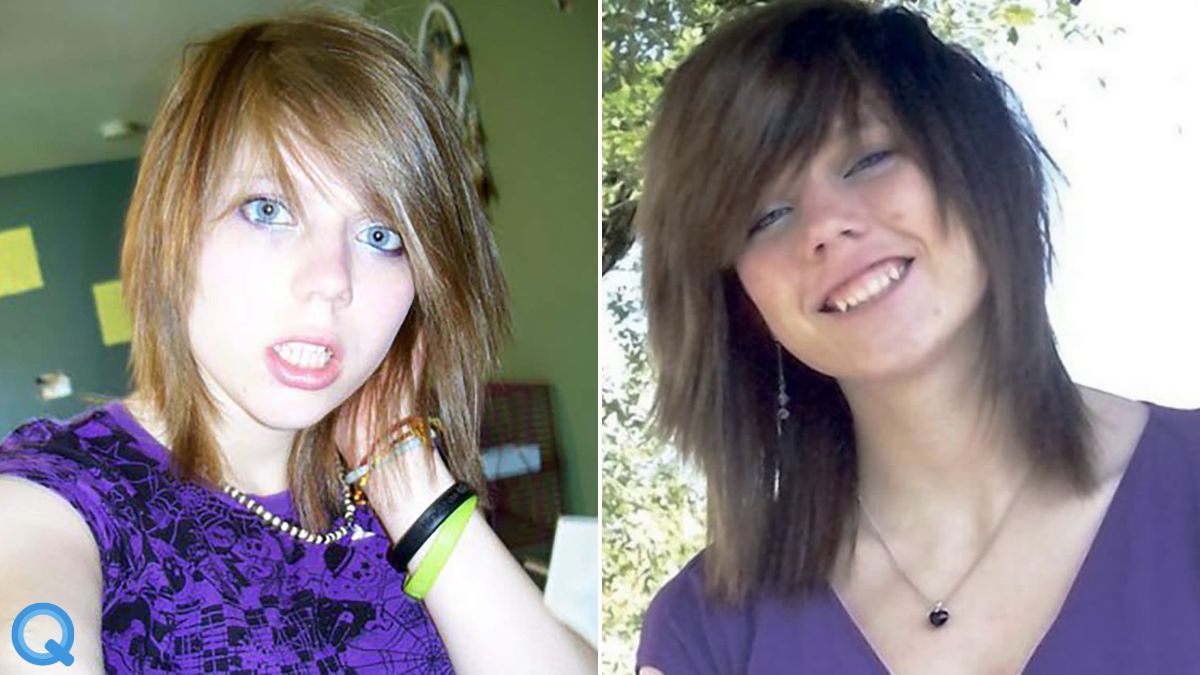
The story of Alyssa Bustamante stands as one of the most disturbing true crime cases in modern America. At just 15 years old, this Missouri teenager shocked the nation when she brutally murdered her 9-year-old neighbor, Elizabeth Olten, in 2009. What makes this case so chilling isn’t just the act itself, but the haunting motives and the glimpse it gave into the dark psychology of a seemingly ordinary girl.
In this detailed look at the life, crime, and aftermath of Alyssa Bustamante, we’ll explore who she was, what led to her horrific act, and how her case continues to influence discussions about juvenile justice, mental health, and morality in youth.
Who Is Alyssa Bustamante?
Alyssa Bustamante was born on January 28, 1994, in Cole County, Missouri. Before she became infamous as a convicted murderer, she was known as a bright but troubled teenager with a passion for writing and art. Friends and classmates described her as intelligent, creative, and sometimes withdrawn.
However, behind the surface of normalcy lay deep emotional instability. Her parents struggled with substance abuse, leading Alyssa and her siblings to be raised by their grandparents. Despite attempts to live a normal life, she often exhibited signs of depression and self-harm.
Early Life and Troubled Childhood
Growing up, Alyssa Bustamante faced emotional and psychological challenges that few understood. Her biological parents’ struggles with addiction and incarceration left her with feelings of abandonment. She reportedly began cutting herself at a young age and was even prescribed antidepressants.
Teachers and friends noticed her mood swings, fascination with death, and social isolation. On social media, she described herself as “emo,” often posting dark messages about pain and nihilism. These early signs, in hindsight, suggested an unstable mind searching for control and identity in a chaotic world.
The Dark Turn: What Led to the Murder
In the months leading up to the murder, Alyssa Bustamante’s behavior grew increasingly erratic. She had dug two shallow graves behind her home days before the crime, a disturbing sign of premeditation.
Investigators later found journal entries that revealed she had planned to kill someone “just to see what it felt like.” This horrifying curiosity marked the beginning of a tragedy that would destroy multiple families and ignite a national debate on juvenile crime and rehabilitation.
The Murder of Elizabeth Olten
On October 21, 2009, 9-year-old Elizabeth Olten, a cheerful fourth-grader from St. Martins, Missouri, disappeared after visiting a friend who lived down the street. Panic spread quickly as neighbors and police searched through the night.
Within days, Alyssa Bustamante confessed to luring Elizabeth into the woods behind her house, strangling her, slitting her throat, and burying her in one of the graves she had dug earlier. The level of calculation and cruelty shocked even experienced investigators.
Her chilling diary entry following the murder read, “I just f**ing killed someone… it was amazing.”* This single line sent shivers across the world.
Alyssa Bustamante’s Confession
When questioned by police, Alyssa Bustamante initially denied involvement. But as evidence piled up, including the discovery of the graves and her diary, she broke down and confessed.
During interrogations, her calm demeanor stunned detectives. She detailed how she planned, executed, and covered up the murder with chilling detachment. Prosecutors described her actions as premeditated and “void of empathy.”
The confession confirmed that her motive was rooted in pure curiosity — an almost incomprehensible reason for taking an innocent life.
The Trial and Sentencing
Because of the brutality of the crime, Alyssa Bustamante was tried as an adult despite being only 15 years old. In 2012, she pleaded guilty to second-degree murder and armed criminal action to avoid a potential life sentence without parole.
The court sentenced her to life in prison with the possibility of parole, plus 30 years for the second charge. During her sentencing, Alyssa expressed remorse, breaking down in tears as she apologized to Elizabeth’s family. However, many questioned the sincerity of her apology given the details of her actions.
Psychological Analysis and Public Reaction
Experts described Alyssa Bustamante as a case study in adolescent psychopathy and depression. Psychiatric evaluations suggested she suffered from borderline personality disorder, severe depression, and suicidal tendencies.
The public’s reaction was divided. Some viewed her as a monster beyond redemption, while others saw a deeply disturbed girl failed by the system. The tragedy reignited debates over how the justice system should treat juveniles who commit heinous crimes.
Media Coverage and Cultural Impact
The case of Alyssa Bustamante drew massive media attention across the U.S. and beyond. It was featured in numerous true crime documentaries, news specials, and psychological analyses. The shocking nature of the crime — a teenage girl murdering a child — challenged stereotypes about female offenders and youth violence.
Social discussions around this case often centered on mental health awareness, the role of antidepressants in adolescents, and the influence of online subcultures that romanticize self-harm or death.
Where Is Alyssa Bustamante Now?
As of today, Alyssa Bustamante remains incarcerated in a Missouri correctional facility. She will be eligible for parole after serving several decades.
There have been few updates about her behavior in prison, though reports indicate she continues therapy and educational programs. Her name still circulates in true crime forums and psychology discussions as an example of how youthful violence can emerge from a mix of trauma, mental illness, and moral disconnection.
The Case’s Lasting Lessons
The story of Alyssa Bustamante forces society to confront difficult questions: Can evil be born from pain? How do we balance justice and rehabilitation for young offenders?
This case remains a haunting reminder that mental health neglect and social isolation can turn potential into tragedy. While Elizabeth Olten’s family continues to mourn, the world still grapples with how to prevent another Alyssa from emerging.
Conclusion
The tale of Alyssa Bustamante is both horrifying and tragic — a portrait of a broken mind that turned darkness inward and outward. Her story underscores the urgent need for better mental health support for teens, early intervention for at-risk youth, and awareness about the dangers of untreated trauma.
Though justice was served, the pain lingers for all involved. Remembering both Alyssa Bustamante and Elizabeth Olten serves as a somber call for empathy, prevention, and vigilance in understanding the complexities of human behavior.
FAQs
1. Who is Alyssa Bustamante?
Alyssa Bustamante is an American woman convicted of murdering her 9-year-old neighbor, Elizabeth Olten, in 2009 when she was just 15 years old.
2. Why did Alyssa Bustamante kill Elizabeth Olten?
According to her confession, Alyssa claimed she killed out of curiosity to “see what it felt like” to take a life.
3. How long is Alyssa Bustamante’s sentence?
She was sentenced to life in prison with the possibility of parole, plus 30 years for armed criminal action.
4. Where is Alyssa Bustamante now?
She is currently serving her sentence in a Missouri correctional facility.
5. What can we learn from Alyssa Bustamante’s case?
Her story highlights the importance of mental health intervention, monitoring youth behavior, and addressing trauma before it escalates into violence.
