

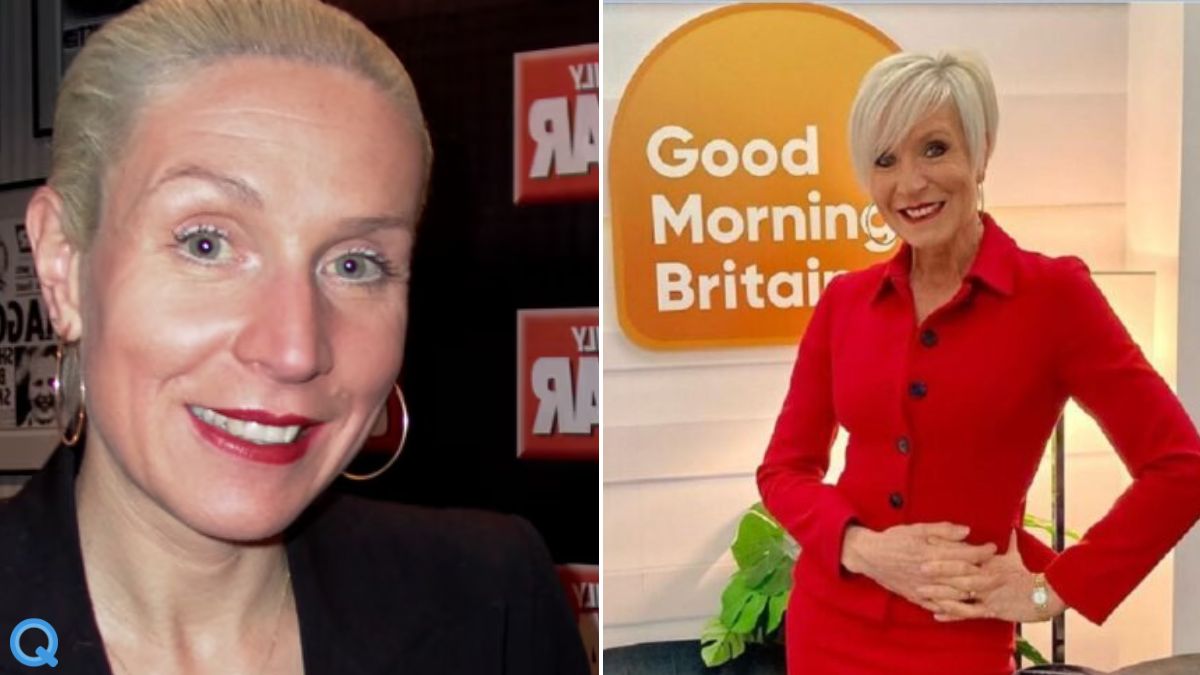
Public attention often intensifies around familiar media figures, especially when small changes invite interpretation. Discussion about dawn neesom illness reflects that pattern. Yet speculation alone does not equal truth. Clear thinking, verified information, and ethical boundaries matter far more than assumption.
This article clarifies the available facts, identifies what has not been confirmed, and highlights the need for caution when serious claims like cancer are raised without evidence. It focuses on accuracy, responsibility, and context—without repeating rumors or exaggeration.
Who Is Dawn Neesom?
Dawn Neesom has built a long and influential career in British journalism. Over decades, she has worked across newspapers, radio, and television, earning recognition for her direct style and editorial leadership.
Because audiences have seen her regularly over many years, familiarity runs deep. Consequently, viewers often notice subtle changes quickly. However, familiarity should never replace facts, particularly when discussions involve health.
What Is Publicly Known About Dawn Neesom Illness
No verified information confirms that Dawn Neesom has a serious medical condition. She has not released a public statement about illness, and no credible news outlet has reported a diagnosis.
Therefore, any discussion of dawn neesom illness rests on observation rather than evidence. Observation alone cannot support medical conclusions. Health facts require confirmation from reliable sources, not inference.
Importantly, silence does not imply illness. Many professionals choose not to discuss personal health matters, even when healthy. Respecting that choice remains essential.
How Health Speculation Develops
Health speculation usually begins quietly and grows through repetition. Understanding that process explains why unverified narratives gain traction.
Visual Changes Without Context
Television exaggerates appearance. Lighting, camera angles, makeup, stress, and fatigue all influence how someone looks on screen. Over time, normal aging also plays a role. None of these factors indicate illness by themselves.
Nevertheless, visual interpretation often drives assumptions. Once shared online, those assumptions multiply quickly.
Schedule Adjustments and Assumptions
Media professionals frequently adjust workloads. Editorial changes, contractual shifts, or personal commitments all affect visibility. However, reduced appearances often trigger concern, even when the reasons have nothing to do with health.
As a result, speculation fills the information gap.
Repetition Creates False Authority
When claims circulate often enough, they begin to sound credible. Blogs reference other blogs, social posts echo headlines, and speculation gains momentum. Unfortunately, repetition does not create truth.
Addressing Cancer-Related Claims Carefully
Some discussions connect dawn neesom illness to cancer. These claims lack factual support. No statement, report, or verified source links Dawn Neesom to a cancer diagnosis.
Cancer represents a serious and life-altering condition. Suggesting it without evidence causes unnecessary alarm and crosses ethical boundaries. Responsible discussion requires restraint, accuracy, and respect for uncertainty.
Moreover, attaching severe diagnoses to unconfirmed narratives undermines trust in health communication more broadly. Accuracy protects both individuals and public understanding.
Visibility, Stress, and Misinterpretation
High-profile journalism demands stamina. Long hours, live broadcasting, travel, and editorial pressure place visible strain on professionals. Fatigue, therefore, does not equal illness.
In contrast, online discussions often skip this context. Instead, they frame stress as pathology. That framing distorts reality and fuels unnecessary concern.
Understanding the demands of media work helps separate normal occupational strain from unfounded medical claims.
Professional Activity and Public Assumptions
Continued professional engagement provides important context. Dawn Neesom remains active in media roles that require preparation, focus, and sustained performance.
While work alone cannot prove perfect health, it directly contradicts claims of severe or debilitating illness. Typically, individuals facing major medical conditions reduce workloads significantly or communicate openly to avoid misinformation.
In this case, professional continuity weakens claims tied to dawn neesom illness cancer narratives.
Media Ethics and Personal Privacy
Health information belongs to the individual. Public roles do not erase personal boundaries. Ethical media practice recognizes that distinction and avoids presenting speculation as fact.
Responsible coverage involves:
- Separating observation from diagnosis
- Avoiding sensational language
- Acknowledging uncertainty clearly
- Respecting silence as a valid choice
Without these principles, discourse becomes harmful rather than informative.
How to Read Health Claims Responsibly
Readers play a crucial role in limiting misinformation. When encountering claims about dawn neesom illness, critical evaluation helps maintain accuracy.
Consider these questions:
- Does the source identify verifiable evidence?
- Does the article rely on direct statements or vague claims?
- Does the language inform or provoke emotion?
- Are medical conclusions supported or implied?
By applying these standards, readers protect themselves from misinformation and support ethical content creation.
Conclusion
Discussion surrounding dawn neesom illness exists without confirmed medical facts. While curiosity is natural, assumption is not evidence. Claims—especially those involving cancer—require substantiation before they deserve attention.
At present:
- No illness has been publicly confirmed
- No credible source supports cancer-related claims
- Professional activity continues
Ultimately, accuracy matters more than speculation. Respecting facts, privacy, and uncertainty leads to healthier public discourse.
FAQs
Has Dawn Neesom confirmed having an illness?
No. She has not made any public statement confirming a medical condition.
Is there evidence supporting cancer-related claims?
No verified source has reported a cancer diagnosis.
Why do such rumors spread easily?
Visibility, familiarity, and lack of context often lead to assumptions that spread through repetition.
Does continued work rule out illness entirely?
Not completely; however, it contradicts claims of severe or incapacitating conditions.
How should readers approach unverified health claims?
With skepticism, critical thinking, and reliance on credible sources.
