

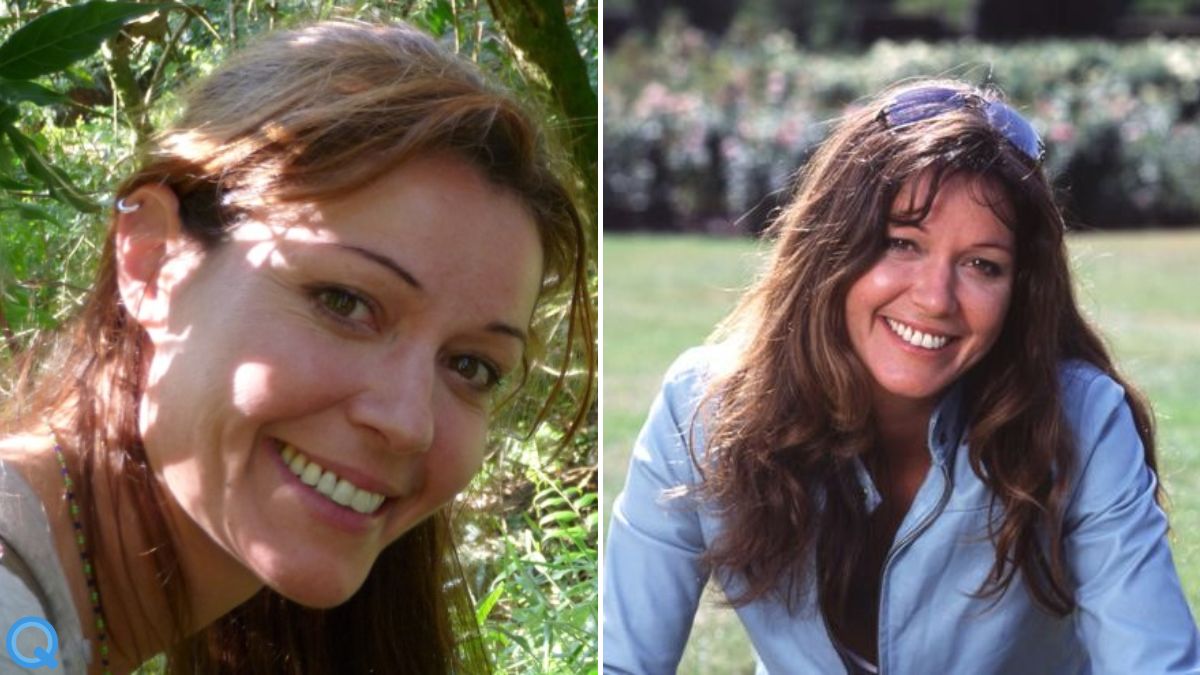
Charlotte Uhlenbroek is a British zoologist whose work has shaped how wildlife is studied, filmed, and understood by the public. Known for combining rigorous scientific training with compelling storytelling, Charlotte Uhlenbroek has played a vital role in making animal behavior and conservation accessible without oversimplifying the science behind it.
Her career spans academic research, fieldwork in some of the world’s most important wildlife reserves, and decades of natural history broadcasting. Through these roles, she has consistently emphasized respect for animals, evidence-based conservation, and thoughtful engagement with the natural world.
Early Life and Education
Charlotte Uhlenbroek was born in London in 1967 and spent much of her childhood abroad. Growing up in South America and Africa exposed her to wildlife and ecosystems that most people only encounter through books or screens. These early experiences shaped her understanding of animals as complex, intelligent beings rather than distant subjects of study.
She pursued zoology at the University of Bristol, where she developed a strong foundation in animal biology and behavior. Her academic path continued in the United States, where she earned a PhD from the University of Minnesota. Her doctoral research focused on chimpanzee communication, a field that requires patience, long-term observation, and careful interpretation of behavior.
This scientific grounding remains central to how Charlotte Uhlenbroek approaches both research and public communication.
Scientific Research and Field Experience
Before working in television, Charlotte Uhlenbroek spent years conducting field research. Much of her most important work took place at Gombe Stream National Park in Tanzania, a globally significant site for primate research.
Her research examined how chimpanzees use vocalizations and social signals to communicate. These studies contributed to broader understanding of primate intelligence and social organization, reinforcing the evolutionary connections between humans and other primates.
Fieldwork at this level requires living in remote conditions, building trust with animals over time, and maintaining scientific objectivity. These experiences gave her insights that later informed her broadcasting work, allowing her to speak with authority rather than speculation.
Transition to Wildlife Broadcasting
Charlotte Uhlenbroek’s move into broadcasting was not a departure from science but an extension of it. The BBC’s Natural History Unit recognized her ability to explain complex ideas clearly while remaining grounded in evidence.
What distinguished Charlotte Uhlenbroek on screen was credibility. She was not interpreting others’ research; she was drawing directly from her own experience. Her calm, precise communication style helped audiences understand animal behavior without sensationalism.
This approach resonated with viewers who wanted more than surface-level wildlife content.
Television Work and Its Impact
Over the years, Charlotte Uhlenbroek became associated with a range of influential natural history programs. Her work consistently emphasized animal behavior, evolutionary biology, and ecological context rather than dramatic narration alone.
Programs such as Chimpanzee Diary, Cousins, Safari School, and Jungle explored how animals interact with one another and adapt to their environments. These productions treated viewers as capable of understanding complexity, which helped elevate standards within wildlife broadcasting.
Her presence also contributed to greater representation of scientists on screen, particularly women working in field-based biological research.
Conservation Values and Advocacy
Conservation has always been central to Charlotte Uhlenbroek’s work. Rather than focusing on abstract warnings, she highlights how ecosystems function and what is lost when they are disrupted.
Her advocacy emphasizes:
- Protecting habitats through informed policy
- Supporting ethical wildlife research
- Encouraging coexistence between humans and animals
- Educating the public using evidence, not fear
This measured approach strengthens trust and encourages long-term engagement with conservation efforts.
Charlotte Uhlenbroek Now and Recent Work
In recent years, Charlotte Uhlenbroek now focuses less on regular television appearances and more on behind-the-scenes contributions. As of Charlotte Uhlenbroek 2024, her work includes writing, editing, advisory roles, and supporting conservation and education initiatives.
This shift reflects a broader commitment to long-term impact rather than visibility. Her expertise continues to be sought for projects that require both scientific accuracy and public clarity.
Personal Life and Family
Charlotte Uhlenbroek maintains a clear boundary between her professional and private life. She is married, and details about Charlotte Uhlenbroek husband are kept intentionally private. She also has children, and her approach to family life reflects a desire to provide stability away from public attention.
Motherhood has influenced her perspective on conservation, particularly regarding responsibility to future generations. However, she avoids using personal life as a public narrative, keeping the focus on her work and values.
Books and Educational Contributions
Beyond television, Charlotte Uhlenbroek has contributed extensively to educational publishing. Her books focus on animal behavior, evolutionary science, and biodiversity, often designed to serve as reliable reference works.
Titles such as Animal Behaviour and Animal Life are widely used by educators and students. These works prioritize accuracy, clarity, and visual storytelling, reinforcing her commitment to education grounded in science.
Enduring Influence on Wildlife Communication
Charlotte Uhlenbroek’s influence lies in how she changed expectations. She demonstrated that wildlife communication can be engaging without sacrificing rigor and that audiences value honesty and depth.
Her career continues to serve as a model for scientists and communicators who want to inform, not entertain at the expense of truth. At a time when environmental challenges demand informed public understanding, her approach remains relevant.
Conclusion
Charlotte Uhlenbroek has built a career defined by integrity, expertise, and respect for the natural world. From field research in Tanzania to global broadcasting and conservation advocacy, Charlotte Uhlenbroek has consistently prioritized knowledge over spectacle.
Her work continues to educate, influence, and inspire thoughtful engagement with wildlife. In an era that demands both scientific understanding and public trust, her contribution stands as a lasting example of how those goals can be achieved together.
FAQs
Who is Charlotte Uhlenbroek?
Charlotte Uhlenbroek is a British zoologist and wildlife broadcaster known for combining scientific research with public education.
What is Charlotte Uhlenbroek doing now?
She currently focuses on writing, advisory roles, and conservation-related educational work.
Is Charlotte Uhlenbroek married?
Yes, she is married but keeps her personal life private.
Does Charlotte Uhlenbroek have children?
Yes, she has children and balances family life with her professional commitments.
Why is Charlotte Uhlenbroek respected in conservation?
Her work is grounded in firsthand research, scientific accuracy, and clear communication.
