

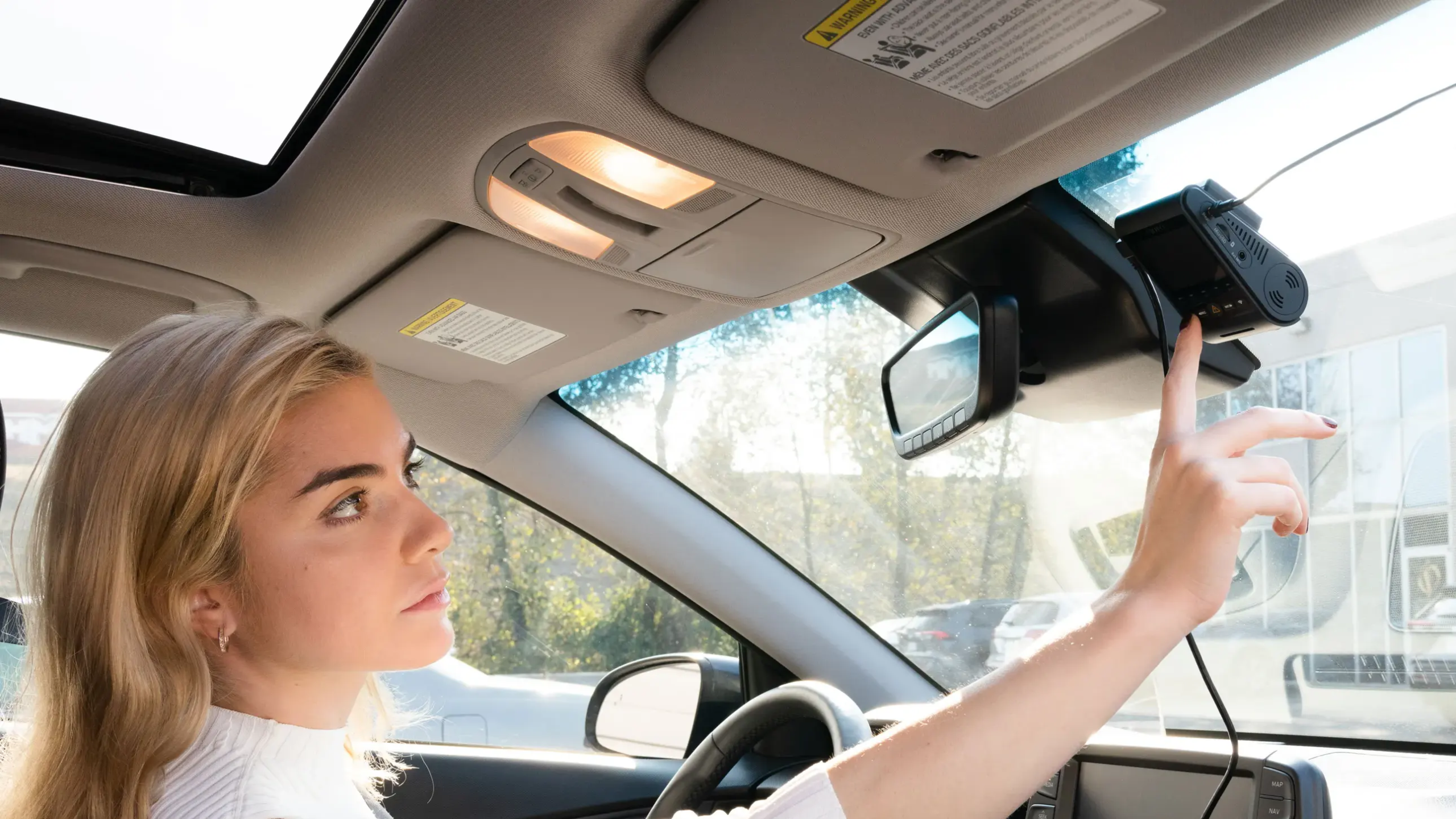
You’re sitting at a red light, hands on the wheel, mind half on your errands and half on the “what ifs” that always seem to sneak in while driving. What if someone rear-ends you? What if a driver lies about what happened? What if your insurance bill climbs again next renewal, like it’s got a mind of its own?
That’s where a dash cam starts to feel less like a gadget and more like a quiet passenger that never blinks. But can it actually help you pay less for insurance—not just win an argument after a crash, but genuinely lower your rate?
Let’s walk through the real-world answer, the fine print, and the emotional truth: you want to feel protected, believed, and financially steady. You want your insurance to reward good behavior, not punish you for being on the road.
How a dash cam can influence insurance rates (and when it doesn’t)
A dash cam can help with insurance in two major ways: proving what happened and shaping how risk is assessed. But dash cams are not a magic discount button.
1) It can protect you from fault—and that can protect your rates.
Insurance pricing is deeply tied to claims history and fault. If another driver hits you, and the story turns into “your word against theirs,” you’re at risk of being assigned partial blame—even when you did nothing wrong. Video can change that.
Think of footage as the difference between *suspected* and *certain*. And insurance loves certainty.
2) It can speed up claims, reduce costs, and make you look more credible.
Some insurers see video as a claim-cost reducer. Less investigation time. Fewer disputes. Faster resolution. When you help reduce uncertainty, you often reduce the odds of a drawn-out claim that can haunt your policy.
3) But many insurers still don’t offer a direct discount just for having one.
Here’s the frustrating part: plenty of companies will happily accept video evidence, yet won’t advertise a “dash cam discount.” Why? Because it’s hard to verify constant use, and the presence of a camera doesn’t guarantee safer driving.
So yes, it can lower your costs—but often *indirectly*, by preventing unfair fault and keeping your record cleaner.
What insurers actually do with dash camera footage
A dash camera doesn’t just record accidents. It records context: speed, signals, lane position, traffic flow, even weather and lighting. Depending on the model, you might have GPS overlays, timestamping, and impact triggers.
Insurers typically use footage to:
– Confirm liability (who caused the crash)
– Verify details (red light timing, lane changes, sudden braking)
– Reduce fraud (staged accidents, exaggerated damage claims)
– Support subrogation (your insurer recovers costs from the at-fault party)
But here’s the key: footage can help you… or it can hurt you.
If you were rolling through a stop sign, glancing down, or driving aggressively, video may make it impossible to argue otherwise. That’s why it’s worth treating your camera like a calm, honest witness—not a hype man.
And yes, you may feel a little exposed at first. That’s normal. But exposure can be protection too, especially when the truth is on your side.
Dash cam discounts: where they exist, what they look like, and how to ask
You want the practical answer: do insurers ever give a straight-up discount? Sometimes, yes—often regionally, sometimes through special programs, and occasionally through partnerships or telematics-style policies.
Discounts, when offered, may be tied to:
– Fleet or commercial policies (rideshare, delivery, company vehicles)
– Usage-based insurance programs that track driving behavior
– Verified installation or approved hardware models
– Claims-free incentives boosted by clearer evidence
The smartest move is simple: call your insurer and ask directly. Be specific.
You can ask:
– “Do you offer any discount for having a dash cam installed?”
– “If there’s no discount, will footage be accepted to help determine fault?”
– “Do you have a preferred method for submitting video after an incident?”
Even if the answer is “no discount,” you’re still learning how to use the tool to protect your premium long-term.
And if the representative sounds uncertain, ask them to check underwriting guidelines. You’re not being difficult—you’re being financially awake.
A quick story about “bounce” and why proof matters
You know that moment when life hits you and you don’t shatter—you bounce?
There was a driver who barely avoided a collision when someone darted across lanes. The car didn’t crash, but the heart sure did. Later, the other driver claimed there had been contact and tried to pin blame. The story kept bouncing back and forth—blame bouncing, doubt bouncing, stress bouncing—until the footage settled it like a gavel. No impact. No contact. No claim.
That’s the emotional relief people don’t talk about enough: you’re not just saving money. You’re saving your nervous system from weeks of uncertainty.
The “resilient” side of smarter driving evidence
Insurance can feel cold. Numbers, forms, phone trees. Yet you’re a human being with a life to get back to.
That’s where being resilient shows up—not as a motivational poster, but as a practical decision. The resilient choice is preparing for the day you hope never happens.
Resilience can look like:
– choosing a wide-angle lens so side impacts are captured,
– setting the date/time correctly so evidence holds up,
– storing clips so they don’t vanish when you need them most.
And when something does happen—because roads are chaotic and people are distracted—you’re not starting from zero. You’ve got facts. You’ve got a timeline. You’ve got something sturdy to lean on.
What to record, how long to keep it, and the privacy pieces you should know
To make footage useful, it needs to be clear, credible, and retrievable.
Best practices that help you (and your insurance claim):
– Use a high-resolution setting (at least 1080p; 1440p or 4K if storage allows)
– Enable looping recording so it continuously overwrites older files
– Use a quality memory card designed for constant writing
– Lock important clips (many cameras auto-lock on impact)
– Keep key footage backed up off the device if an incident occurs
Privacy and legality:
Rules vary by location. Some places restrict audio recording without consent. Windshield mounting can also be regulated. You should check local rules so a good intention doesn’t create a legal headache.
And a gentle reminder: if you’re ever in a serious accident, prioritize safety and emergency services first. Evidence matters, but people matter more.
A “boughten” moment: when a small purchase pays you back
There’s an old-fashioned word—boughten—that carries a certain charm, like something picked up at the store and brought home with hope.
