

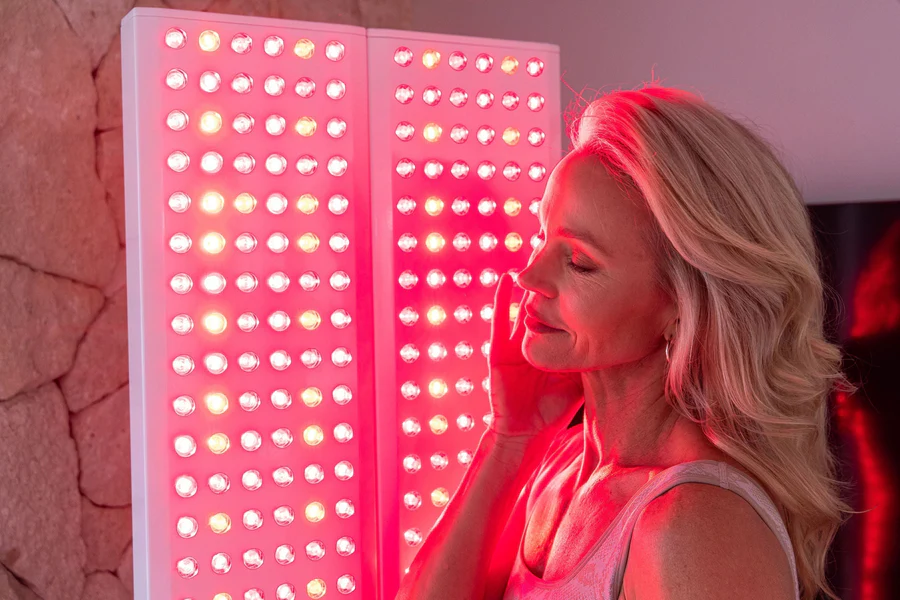
When the days get shorter and the skies turn gray, it’s common to feel a dip in your mood and energy. For some, this is more than just the “winter blues”; it’s a recognized condition called Seasonal Affective Disorder (SAD). Many people turn to light therapy lamps to combat these seasonal changes. But do these devices really work? This post explains the science behind light therapy and whether it might be a bright idea for you.
The Science Behind Light Therapy
The core idea behind light therapy is simple: to replicate the effects of natural sunlight. Our bodies have an internal clock, known as the circadian rhythm, that regulates our sleep-wake cycle, mood, and energy levels. This clock is heavily influenced by light.
When sunlight enters our eyes, it sends signals to a part of the brain called the hypothalamus, which helps control our circadian rhythm. During the shorter, darker days of fall and winter, the lack of natural light can disrupt this rhythm. This disruption can lead to lower levels of serotonin, a neurotransmitter that affects mood, and higher levels of melatonin, a hormone that makes us feel sleepy. The result? You might feel sluggish, unmotivated, and down.
Light therapy lamps work by emitting a bright light that mimics natural sunlight. Exposure to this light helps to reset your body’s internal clock, which can boost your mood and increase your energy levels.
What Conditions Can Light Therapy Treat?
While most commonly associated with SAD, light therapy has been found to be effective for a range of other conditions as well.
- Seasonal Affective Disorder (SAD): This is the most well-researched use for light therapy. Many studies show that daily use of a light therapy lamp can significantly reduce the symptoms of SAD, often with results appearing within a few days to two weeks.
- Non-Seasonal Depression: Some research suggests light therapy can be a helpful complementary treatment for major depression, even when it’s not tied to the seasons. It may help improve mood and energy when used alongside other treatments like therapy or medication.
- Sleep Disorders: Because of its powerful effect on the circadian rhythm, light therapy can help people with sleep issues like insomnia or jet lag. Using a lamp at the right time of day can help shift your sleep schedule to a more desirable pattern.
- Dementia: Emerging research indicates that light therapy may help improve sleep, agitation, and depression in individuals with dementia.
How to Use Light Therapy Lamps Safely
To get the most out of a light therapy lamp, it’s important to use it correctly. Here are a few key guidelines:
- Brightness: Look for a lamp that provides at least 10,000 lux of light. This is the standard brightness level used in most clinical studies.
- Timing is Everything: For SAD and depression, most experts recommend using the lamp in the morning for about 20 to 30 minutes. Morning exposure is most effective for resetting your circadian rhythm and boosting your mood for the day ahead.
- Proper Placement: The lamp should be placed on a table or desk, about 16 to 24 inches from your face. You don’t need to stare directly into the light; just have it within your field of vision while you read, eat breakfast, or work. The light needs to enter your eyes to be effective, so just sitting in a brightly lit room won’t have the same benefit.
- Consistency is Key: Use the lamp every day, starting in the fall when symptoms typically begin, and continuing through the winter until spring.
Light therapy is generally safe, but some people might experience mild side effects like eye strain, headache, or nausea. These usually disappear within a few days. It’s always a good idea to talk to a doctor before starting light therapy, especially if you have an eye condition or are taking medication that increases light sensitivity.
A Bright Idea for Better Well-Being?
So, are light therapy lamps worth it? For many people struggling with seasonal mood changes, depression, or sleep problems, the answer is a resounding yes. They offer a non-invasive, drug-free way to mimic the mood-boosting effects of natural sunlight.
By helping to regulate your body’s internal clock, these devices can be a powerful tool for improving your energy, mood, and overall sense of well-being during the darker months of the year. If you find yourself feeling down as the seasons change, light therapy could be a simple and effective solution to help you feel more like yourself again.
