

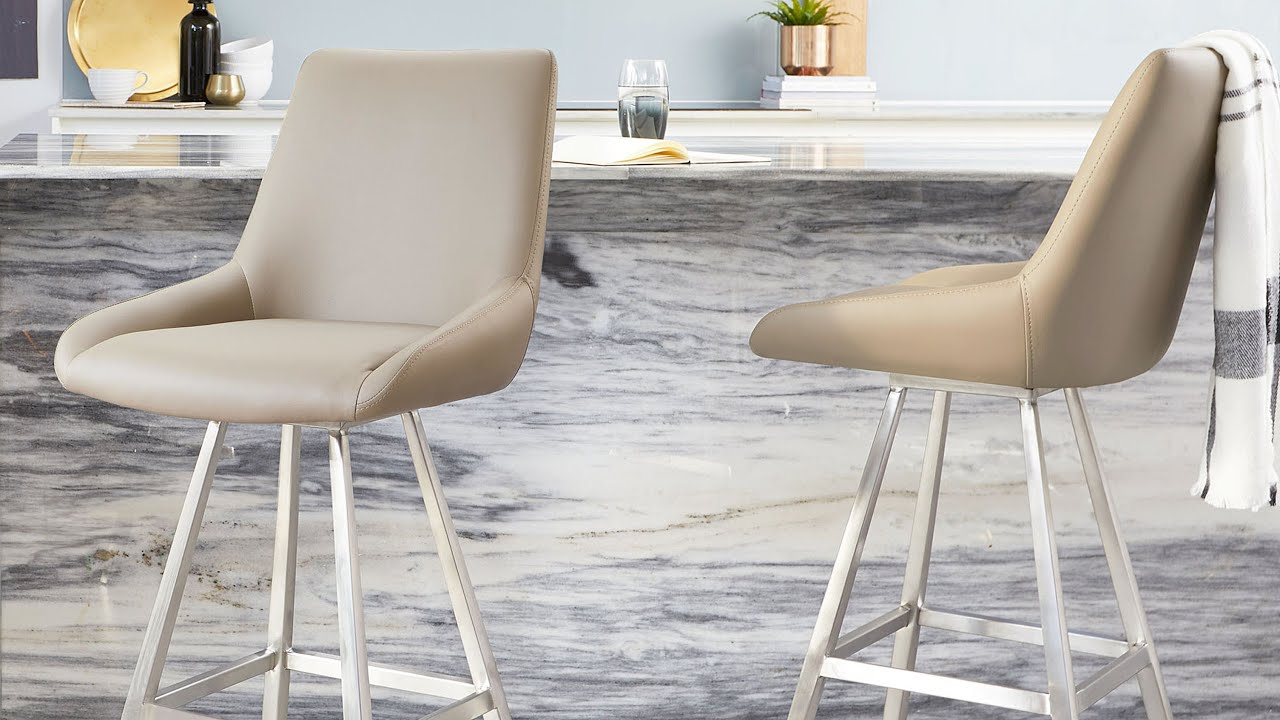
Across the United Kingdom, the way people gather at home and in hospitality spaces is quietly shifting. Kitchen islands are no longer just practical surfaces for food preparation. They have become informal meeting points, remote work stations, and evening social hubs. In restaurants and boutique hotels, bar areas are evolving into design statements rather than afterthoughts. At the center of this movement sits a familiar yet newly elevated piece of furniture: swivel bar stools with backs.
Sales data across the British furniture sector points to renewed consumer confidence in 2026, with hospitality refurbishments and home renovation projects both contributing to steady growth. Industry projections show the UK furniture market continuing its recovery trajectory, supported by improved retail performance and stronger demand for durable, design-led seating. Within this landscape, swivel bar stools with backs are emerging as a standout category, blending comfort, movement, and style in a way that reflects modern living.
What appears, at first glance, to be a simple seating upgrade is in fact tied to deeper economic and cultural patterns shaping British interiors.
Why Comfort Is Driving the Category
For years, minimalist backless stools dominated contemporary kitchens and bar spaces. They offered a clean silhouette, easy storage, and visual lightness. Yet as hybrid work reshaped daily routines and people began spending longer hours seated at home, comfort re-entered the conversation in a meaningful way.
The demand for stools with supportive backs and smooth swivel mechanisms reflects this recalibration. A well-designed swivel stool allows users to turn naturally without dragging legs across the floor. A supportive backrest encourages longer conversations, relaxed posture, and extended dining experiences. These are small functional details, but in practice they transform how a space feels.
Hospitality operators have taken note. In pubs, casual dining venues, and hotel lounges across cities such as London, Manchester, and Birmingham, bar areas are being redesigned to encourage guests to linger. Longer dwell times translate into increased beverage sales and stronger social energy. When seating feels stable and supportive, guests stay.
Several factors explain the shift:
- Greater awareness of ergonomic design and its impact on posture
- Increased time spent at kitchen islands for work and study
- Hospitality strategies focused on enhancing guest comfort and retention
These insights align with broader research showing that comfort and perceived quality directly influence repeat visits in food and beverage venues. Swivel bar stools with backs sit squarely within that strategic sweet spot.
Design Trends Shaping UK Preferences
Beyond comfort, aesthetics are playing an equally important role in rising sales. British interiors in 2026 are leaning into warmth and texture. Oak finishes, brushed-metal frames, and upholstered seats in neutral tones are increasingly common in residential and commercial settings.
Consumers are seeking pieces that feel substantial rather than disposable. In high-traffic hospitality spaces, contract-grade construction is no longer optional. Reinforced joints, commercial weight capacities, and durable finishes are key selling points. At home, buyers are applying similar standards, especially when investing in open-plan kitchens that function as the heart of daily life.
The swivel function itself has become more refined. Modern mechanisms are smoother, quieter, and designed for long-term durability. In upscale venues, the movement feels almost seamless, allowing guests to shift perspective without disruption. The addition of padded backs and contoured seats elevates the visual profile, making these stools feel closer to lounge seating than traditional bar furniture.
Retailers have also adapted merchandising strategies. Showrooms now stage bar stools in fully styled kitchen environments rather than presenting them as standalone items. This lifestyle framing encourages buyers to imagine how the piece will anchor their own social spaces.
Economic Signals Behind the Growth
Market data suggests that the UK hospitality sector continues to reinvest in refurbishment as footfall stabilises following earlier disruptions. Independent bars and restaurant groups are prioritising selective upgrades that deliver visible impact without requiring full structural redesign.
Bar seating offers precisely that opportunity. Replacing outdated stools with high-quality swivel bar stools with backs can modernise an entire room at a fraction of the cost of major renovations. Operators understand that guests notice seating immediately, often before menus or lighting details.
On the residential side, government statistics indicate steady home improvement spending nationwide. Kitchen renovations remain among the most popular projects, and island seating forms a central component of these upgrades. As homeowners balance style and practicality, swivel stools with backs present a compelling middle ground between casual and formal dining.
The cumulative effect is a category benefiting from both commercial and consumer demand. A single trend does not drive growth; rather, growth comes from intersecting priorities that reinforce each other.
Hospitality Influence on Home Buying Patterns
An interesting dynamic in 2026 is the feedback loop between commercial hospitality design and domestic interiors. When guests experience comfortable, visually striking bar seating in restaurants or hotel lounges, expectations shift at home.
Boutique hospitality spaces often lead in material experimentation and silhouette innovation. As these designs gain popularity, manufacturers adapt them for residential distribution. The result is a crossover aesthetic that blurs the line between private kitchen and curated bar environment.
In this sense, swivel bar stools with backs are not just functional furniture. They are part of a broader lifestyle narrative that celebrates sociability, flexibility, and understated luxury.
What Retailers and Operators Should Watch Next
Looking ahead, sustainability and long-term durability will likely influence purchasing decisions even more strongly. UK consumers are increasingly attentive to responsible sourcing and product lifespan. Furniture built to commercial standards often satisfies these expectations more convincingly than lightweight residential alternatives.
Retailers and hospitality buyers should monitor:
- Demand for responsibly sourced wood and recyclable metal frames
- Growth in custom upholstery options tailored to brand identity
- Continued interest in ergonomic features that support extended seating
As design, economics, and social habits converge, swivel bar stools with backs are positioned to remain a prominent fixture in British interiors.
A Turning Point for Bar Seating in Britain
The rise in UK sales during 2026 reflects more than a passing trend. It signals a shift in how people value seating as an experience rather than merely a utilitarian object.
Barstools once served as secondary seating, functional and often overlooked. Today, they anchor conversations, frame social spaces, and influence how long guests or family members choose to stay. In an era where both homes and hospitality venues are expected to deliver comfort, style, and durability in equal measure, this category embodies the balance consumers seek.
What unfolds next will depend on how brands continue to refine materials, craftsmanship, and ergonomic detail. Yet one insight is already clear. In Britain’s evolving interior landscape, swivel bar stools with backs have moved from optional accent to essential design statement.
