

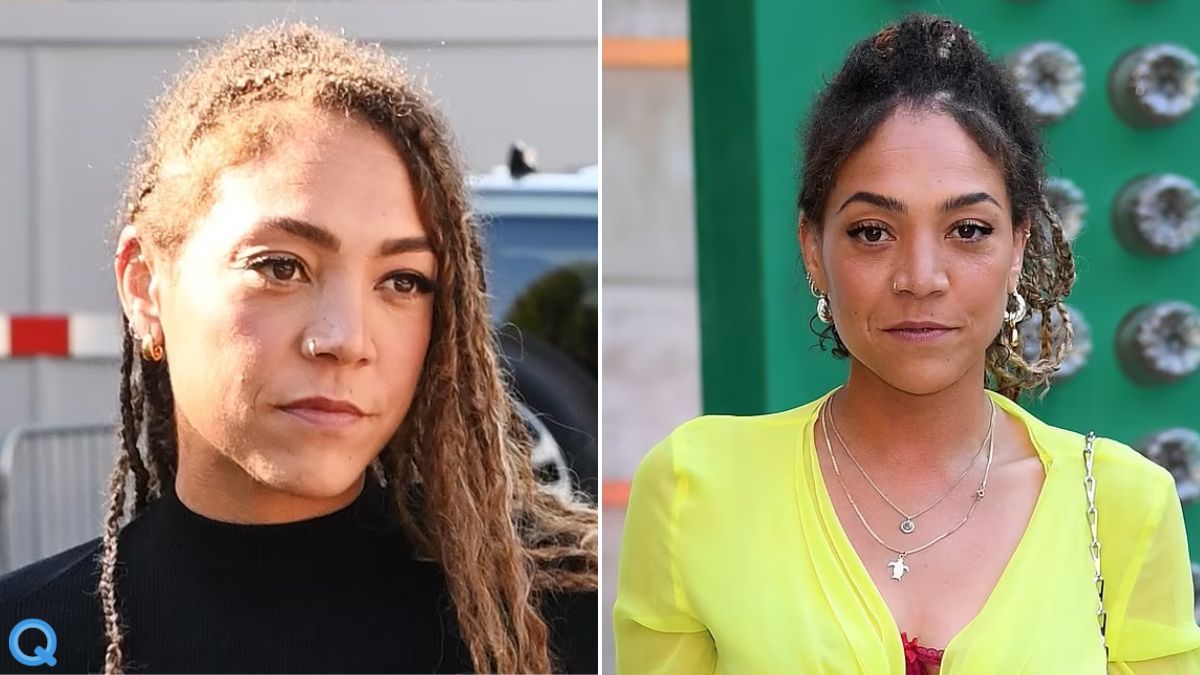
British television has produced many memorable presenters, but few developed a voice as distinctive as miquita oliver. Known for her candid interview style, cultural awareness, and relaxed presence on screen, she built a career that spans television, radio, and digital media. Her rise began unusually early, placing her among the youngest presenters to achieve national recognition in the United Kingdom.
Her career reflects the transformation of entertainment media over the past two decades. From youth television to podcast conversations about modern culture, she has consistently adapted while maintaining an authentic voice. This adaptability helped shape a reputation based on honesty, curiosity, and an ability to connect with audiences across different platforms.
Early Life and Cultural Influences
Growing up in London exposed Oliver to a diverse cultural environment that would later influence her career. She was raised in Ladbroke Grove, a neighborhood known for its vibrant music scene and creative community. The area’s mix of artistic traditions, global cultures, and independent media voices helped shape her worldview.
Her upbringing encouraged curiosity about music, art, and public conversation. Exposure to different cultural perspectives helped develop the confidence and communication skills that later became central to her media career.
While many presenters enter the industry after formal training or journalism education, Oliver’s path developed through early immersion in the creative world around her.
Family Background and Creative Environment
The creative environment of her childhood played an important role in shaping her interests. Her father, David Oliver, worked as an art teacher. His profession encouraged creative thinking and visual expression within the household.
Her mother, Andi Oliver, became widely recognized as a chef, broadcaster, and television personality. Through her work in food media and broadcasting, Andi Oliver demonstrated how storytelling and culture could intersect with television.
Growing up with a parent already involved in broadcasting meant that television studios, media production, and public communication were familiar aspects of daily life. This environment helped normalize the idea of working in front of an audience.
The combination of artistic education from her father and media experience from her mother created a unique foundation for a future career in broadcasting.
Breakthrough on Popworld
Her national breakthrough came when she became a presenter on the music television show Popworld. The program aired during the early 2000s and quickly developed a reputation for its unconventional interviews with pop stars.
Rather than focusing on promotional questions, the show encouraged humor, playful commentary, and unexpected conversations. The approach challenged the traditional structure of celebrity interviews.
As a host, Oliver displayed an ability to balance humor with genuine curiosity. The relaxed style made artists appear more comfortable and often led to memorable moments on the program.
Hosting Popworld while still a teenager placed her in an unusual position within British television. The role introduced her to a wide audience and established her as a recognizable media personality.
The experience also allowed her to develop interviewing skills that later became a defining part of her professional identity.
Expanding a Television Career
Following the success of Popworld, she continued working across several television projects. One of the most notable was her involvement with Channel 4’s youth programming block, T4.
The platform featured live entertainment segments, celebrity interviews, and festival coverage. It gave her the opportunity to engage with a wider range of cultural figures, including musicians, actors, and comedians.
Television presenting during this period required adaptability. Interviews could shift from light entertainment to thoughtful conversation depending on the guest and context.
Her strength as a presenter came from the ability to maintain authenticity in different settings. The tone remained conversational rather than scripted, which helped audiences connect with her personality.
Over time, she appeared on a variety of entertainment programs and special broadcasts that explored music, pop culture, and contemporary social issues.
Radio Broadcasting and Cultural Commentary
Radio provided another platform where her conversational style thrived. Work with BBC Radio 1 and BBC Radio 1Xtra introduced her to listeners who appreciated thoughtful discussion about music and culture.
Radio broadcasting allowed for deeper exploration of topics than typical television segments. Discussions could expand beyond brief interviews and explore broader themes within music, youth culture, and media trends.
The format also emphasized personality. Without visual elements, radio relies heavily on voice, tone, and storytelling ability. These qualities aligned naturally with her communication style.
Through radio work, she developed a reputation as a presenter capable of balancing humor with thoughtful commentary.
Personal Challenges and Public Reflection
Life in the public eye often brings scrutiny alongside opportunity. During her career she experienced financial difficulties that received widespread media attention.
Rather than avoiding the topic, she addressed the situation openly in later interviews. This honesty provided insight into the pressures that young media personalities sometimes face when entering high-profile careers early in life.
Discussing these experiences publicly contributed to a broader conversation about financial awareness and responsibility within the entertainment industry.
Her willingness to reflect on mistakes strengthened her credibility and demonstrated resilience. Public figures who acknowledge challenges openly often build deeper trust with audiences.
Relationships and Personal Life
While her professional career is widely documented, she maintains a relatively private approach to personal relationships. She prefers to keep romantic life separate from professional work.
One relationship that has remained highly visible, however, is her long-standing friendship with singer Lily Allen. The two grew up in similar social circles in London and developed a close bond early in life.
Their friendship eventually expanded into professional collaboration through podcasting and media discussions. The dynamic between them is characterized by humor, honesty, and shared cultural experiences.
This collaborative relationship highlights the importance of trust and authenticity in modern media conversations.
Health and Well-Being
Public figures frequently discuss well-being as part of broader conversations about mental health and lifestyle balance. Oliver has participated in discussions about emotional resilience and the importance of maintaining perspective while working in demanding industries.
The entertainment world can involve irregular schedules, intense scrutiny, and constant public attention. Addressing mental health openly contributes to healthier conversations within the media environment.
These discussions emphasize personal growth, learning from experience, and maintaining supportive relationships.
Family and Future Aspirations
Family connections continue to play an important role in her life. Her relationship with her mother remains particularly visible through shared appearances and mutual support within the media industry.
While she keeps many aspects of her private life out of public view, her career demonstrates a strong focus on creative work and cultural conversation.
Future projects may continue exploring storytelling formats that encourage honest discussion about relationships, music, and modern life.
The flexibility of digital platforms allows broadcasters to experiment with new forms of communication that extend beyond traditional television formats.
Podcasting and Modern Media Work
Podcasting has become one of the most influential forms of modern media. Long-form conversation allows presenters to explore topics with depth and nuance.
Through podcasting, Oliver engages in discussions about relationships, cultural trends, personal experiences, and entertainment. The format encourages authenticity because conversations are less structured than television segments.
Listeners often value podcasts for their sense of intimacy and transparency. Conversations unfold naturally, allowing hosts to share personal perspectives while inviting guests into meaningful dialogue.
This transition from television to digital platforms reflects the broader shift within media consumption habits.
Audiences increasingly prefer conversational storytelling and candid perspectives over highly scripted formats.
Cultural Influence and Media Legacy
Over the years, Oliver has contributed to a style of presenting that emphasizes authenticity over traditional broadcasting formality. Her interview approach focuses on curiosity, humor, and direct communication.
This style helped reshape expectations around entertainment interviews, especially during the early 2000s when youth-focused television began moving toward more informal formats.
Her work also reflects the changing nature of celebrity interviews. Rather than promoting scripted narratives, modern audiences often respond more strongly to genuine conversation.
Through television, radio, and digital media, she has demonstrated the ability to adapt while maintaining a recognizable voice.
The result is a career defined not only by individual programs but by a consistent commitment to honest communication.
Conclusion
The career of miquita oliver illustrates how media personalities can evolve alongside the industries they work within. Beginning as a teenage presenter on a music television show, she developed into a broadcaster capable of navigating multiple platforms.
Her work reflects the cultural shifts that have shaped entertainment media during the past two decades. Television interviews, radio broadcasting, and podcast conversations each represent different stages in that evolution.
What remains consistent throughout her career is a commitment to authenticity. Whether speaking with musicians, discussing cultural issues, or reflecting on personal experiences, she approaches conversation with curiosity and honesty.
That combination of openness and adaptability continues to define the influence of miquita oliver within British media.
FAQs
Who is Miquita Oliver?
She is a British television and radio presenter who first gained prominence hosting the music show Popworld.
What show made her famous?
Her national recognition began with Popworld, a music television program known for humorous celebrity interviews.
Who are her parents?
Her mother is broadcaster and chef Andi Oliver, while her father, David Oliver, worked as an art teacher.
Is she involved in podcasting?
Yes. Podcasting has become an important part of her recent media work, allowing for long-form conversations about culture and personal experiences.
What defines her presenting style?
Her approach focuses on relaxed conversation, curiosity, and humor, creating interviews that feel authentic rather than scripted.
