

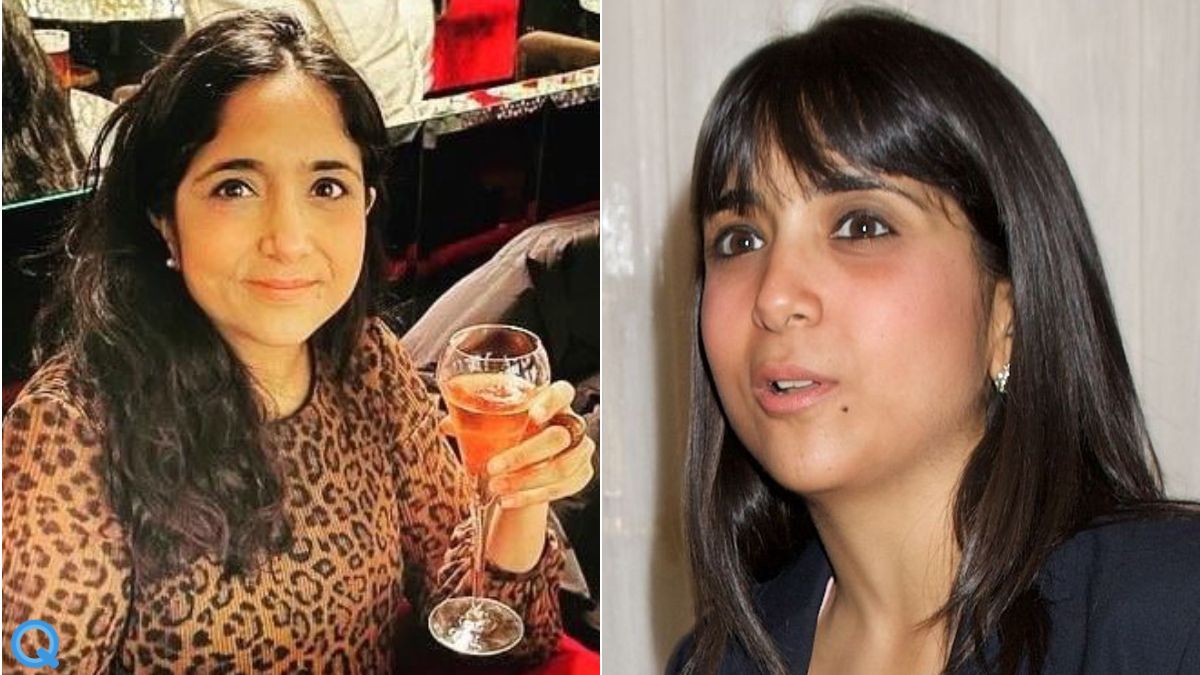
Respected journalism depends on clarity, credibility, and a commitment to public understanding. Sima Kotecha has built a reputation for thoughtful reporting and measured analysis while working for the BBC. Her work reflects the standards of modern broadcast journalism: careful verification, balanced storytelling, and an ability to explain complex issues to a wide audience.
Throughout her career, she has reported on national politics, international developments, and social issues that shape public debate in the United Kingdom. Her reporting demonstrates how professional journalism can provide context rather than simply deliver headlines.
Beyond her work on television and radio, interest in her background has grown as viewers seek to understand the experiences that shaped her career. Her education, professional path, and personal background offer insight into the development of a journalist who operates confidently within a global media environment.
Early Life and Background
The early years of Sima Kotecha reflect the diverse cultural environment that defines contemporary Britain. Raised in the United Kingdom within a British-Asian family, she grew up with an awareness of the importance of identity, representation, and community. These influences later shaped her interest in journalism, a field that examines society through investigation and storytelling.
Family support played a significant role in encouraging academic achievement and intellectual curiosity. A strong educational foundation, combined with exposure to social and cultural perspectives, helped nurture the analytical thinking that journalism demands.
Her upbringing also cultivated an understanding of the varied experiences that exist within modern British society. This perspective later influenced the way she approaches reporting, particularly when covering stories connected to social policy, cultural identity, and political debate.
Education and Academic Development
Academic Foundation
University study provided the intellectual groundwork for a career in journalism. Her academic focus included politics and international affairs, subjects that require careful research, analytical writing, and an understanding of global institutions.
This academic background offered valuable preparation for a profession that relies heavily on interpreting political developments and explaining their implications. Coursework involving political systems, media communication, and international relations helped refine the skills required for professional reporting.
Skills Developed Through Education
Higher education also strengthened practical abilities essential for journalism:
- Research methodology and source verification
- Analytical writing and argument construction
- Understanding international political structures
- Ethical responsibility in media communication
These skills later became visible in her reporting style, which emphasizes context, clarity, and responsible interpretation of events.
Entry into Broadcast Journalism
Joining the BBC marked the beginning of her professional reporting career. Working within one of the world’s most recognized public broadcasting organizations provided access to experienced editors, international resources, and a wide audience.
Early assignments involved covering regional developments and national policy discussions. These initial reporting roles required gathering information quickly, verifying facts, and presenting news stories clearly on broadcast platforms.
Such experiences allowed her to gain confidence in live reporting environments while building credibility within the newsroom. Over time, consistent performance led to opportunities to cover increasingly complex stories.
Reporting Career at the BBC
Professional advancement within the BBC newsroom reflects both journalistic ability and editorial trust. Her reporting expanded from regional stories to major national developments, including political debates and social policy issues.
Coverage frequently involves translating complicated government decisions into understandable explanations for viewers. Clear communication of such topics requires both subject knowledge and careful language, particularly when addressing political or economic matters.
Her work also extends to television presentation and in-depth reporting segments that provide background and analysis. This role combines investigative research with the ability to communicate effectively on camera.
The result is a reporting style that balances accuracy with accessibility, enabling audiences to understand events that might otherwise appear distant or technical.
Global Coverage and Major Assignments
International reporting has formed an important part of her professional experience. Global assignments often require journalists to work in unfamiliar environments while maintaining high editorial standards.
Covering international developments involves several challenges:
- Rapidly changing political circumstances
- Cultural and linguistic differences
- Limited access to reliable information in certain regions
- The need for careful verification before broadcasting
Through these assignments, she developed a broader understanding of global affairs and international diplomacy. Exposure to different societies and political systems strengthened her ability to interpret international news for audiences at home.
International reporting also highlights the importance of context. Events occurring in distant regions frequently influence domestic politics, economic policies, or humanitarian responses. Explaining these connections is one of the key responsibilities of global correspondents.
Personal Life and Family
Public figures in journalism often maintain clear boundaries between their professional responsibilities and private lives. This approach allows reporters to remain focused on their work while protecting personal privacy.
Her family background reflects the multicultural character of modern Britain. Growing up in a supportive environment that valued education and perseverance provided the stability needed to pursue a demanding career in broadcast media.
Questions occasionally arise about her relationship status or personal partnerships. However, she has consistently chosen to keep private matters outside public discussion. This discretion is common among journalists whose professional roles already involve constant public attention.
Maintaining this separation ensures that her work remains the primary focus of public recognition.
Professional Recognition and Influence
Professional respect in journalism is built gradually through accuracy, reliability, and consistent reporting. Years of broadcast work have established her reputation as a capable correspondent able to address complex subjects.
Career recognition does not always appear in the form of public awards. For many journalists, credibility among colleagues and audiences is the most significant measure of professional achievement.
Several factors contribute to her influence in the newsroom:
- Consistent factual reporting
- Clear explanation of political developments
- Experience covering both domestic and international issues
- Ability to communicate effectively across television and digital media
These qualities strengthen trust between journalists and viewers, an essential element in maintaining confidence in news institutions.
Journalism in a Changing Media Landscape
The environment in which journalists operate has changed dramatically over the past two decades. Digital platforms, social media, and rapid information sharing have transformed how audiences encounter news.
Broadcast reporters now work within a system that requires both speed and accuracy. Stories often develop quickly, yet responsible journalism demands careful verification before publication.
In this evolving landscape, reporters must balance several responsibilities:
- Delivering timely information
- Confirming the reliability of sources
- Providing context beyond immediate headlines
- Addressing misinformation when it appears
The continued relevance of public broadcasters such as the BBC reflects the importance of trustworthy reporting in an era of fragmented information sources.
Career Earnings and Professional Standing
Experienced journalists working within major broadcasting organizations typically receive salaries that reflect seniority, expertise, and editorial responsibilities. Compensation structures in public broadcasting vary depending on role, experience, and contract arrangements.
While precise figures for individual reporters are rarely disclosed, senior correspondents generally hold stable positions within established salary frameworks. Long-term professional success in journalism is often measured less by earnings and more by reputation, credibility, and the ability to shape informed public discussion.
In this respect, a sustained career in broadcast journalism represents professional achievement built through dedication and experience rather than financial visibility alone.
Conclusion
Modern journalism requires reporters who can interpret events thoughtfully while maintaining strict standards of accuracy. Through years of reporting and presentation, Sima Kotecha has contributed to public understanding of national and international issues within the framework of professional broadcasting.
Her career reflects the role journalists play in explaining political decisions, global developments, and social change. Education, newsroom experience, and exposure to international reporting environments have shaped a professional path defined by careful analysis and responsible communication.
As media technology evolves and audiences encounter information through an expanding range of platforms, the principles of credible journalism remain essential. Reporters who approach their work with discipline and integrity continue to play a vital role in informing public conversation.
FAQs
Who is Sima Kotecha?
She is a British broadcast journalist and correspondent working with the BBC, reporting on political and international developments.
What is her educational background?
Her academic studies focused on politics and international affairs, subjects that provide a strong foundation for political reporting.
What role does she hold at the BBC?
Her work includes reporting, presenting, and providing analysis on significant national and international news events.
Does she discuss her personal life publicly?
She generally keeps private matters separate from her professional career, focusing public attention on her reporting work.
Why is her reporting significant?
Her work demonstrates the importance of clear, accurate journalism that explains complex political and global developments to a broad audience.
