

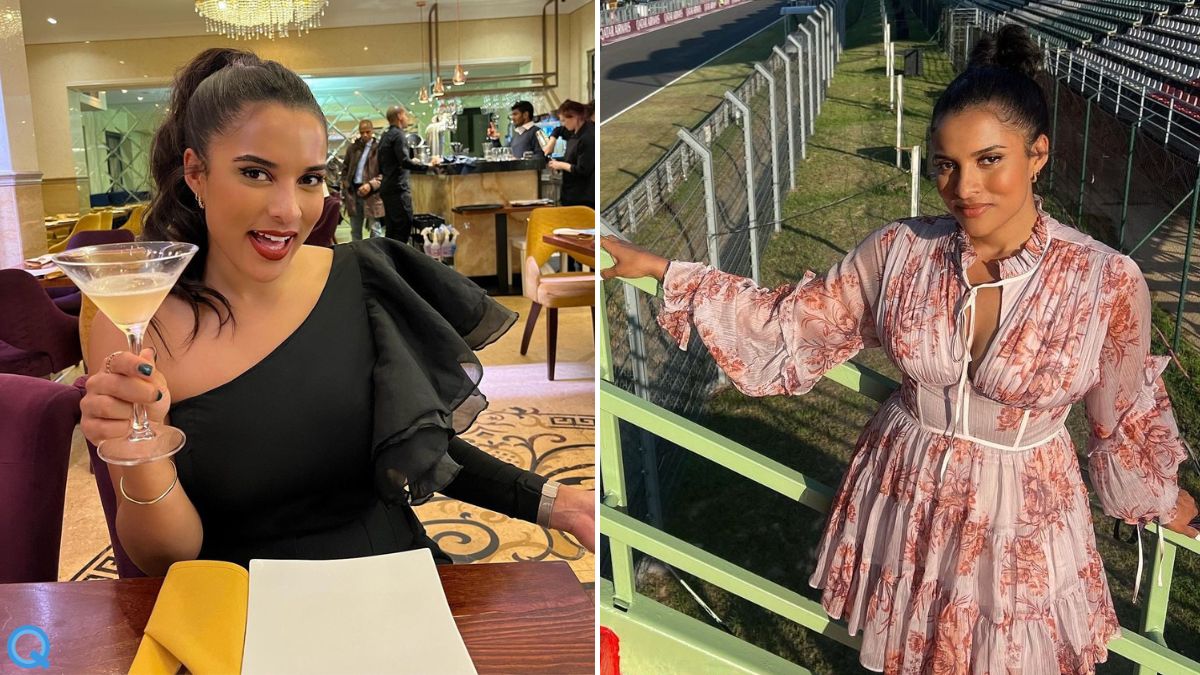
Ariana Bravo is a British Formula 1 presenter and broadcaster known for her work in paddock reporting and race weekend coverage. She appears in F1 media environments where she conducts interviews with drivers, team members, and technical staff, translating complex racing moments into accessible storytelling for global audiences.
Her path into motorsport broadcasting is unconventional. Before entering Formula 1 media, she worked in management consulting after studying Economics at the University of Nottingham. That transition from corporate consulting to live sports journalism highlights her adaptability and communication skills, which have become central to her on-screen presence.
Early Life and Education
Ariana Bravo studied Economics at the University of Nottingham, where she built a strong academic foundation in analytical thinking and structured problem-solving. This background later influenced her ability to interpret technical aspects of Formula 1 and present them in a clear, structured way.
Before entering broadcasting, she worked in management consulting at Protiviti UK. The role exposed her to business operations, client communication, and strategic analysis. While not directly related to sports media, it developed professional discipline and confidence in high-pressure environments.
Her move from consulting to Formula 1 media was not immediate or typical, but it reflects a broader shift in modern broadcasting where diverse professional backgrounds are increasingly valued.
Entry into Formula 1 Broadcasting
Ariana Bravo began her media career by stepping into Formula 1 coverage through paddock reporting roles. Her early assignments involved interviews and digital content creation during race weekends.
Working in Formula 1 requires more than presentation skills. It demands awareness of race dynamics, technical regulations, and team strategies. She developed this understanding gradually through consistent exposure to the sport and direct interaction with drivers and engineers.
Her communication style is direct and composed. Instead of relying on scripted delivery, she focuses on natural conversation during interviews, which helps extract more authentic responses from subjects in high-pressure post-race situations.
Work in F1 Media and Broadcasting Platforms
Ariana Bravo has contributed to Formula 1 coverage through major broadcasting platforms, including Channel 4’s F1 coverage and official digital content teams associated with the sport.
Her work typically includes:
- Live paddock interviews during race weekends
- Driver and team interviews after qualifying and races
- Supporting studio and on-site reporting
- Digital storytelling for online audiences
These roles place her at the center of real-time Formula 1 communication, where accuracy and timing are essential.
Her presence in the paddock also reflects the increasing importance of digital-first media in Formula 1. Modern coverage is no longer limited to television broadcasts; it extends across streaming platforms, social media, and short-form interviews.
Communication Style and Professional Approach
Ariana Bravo’s reporting style is grounded in clarity and composure. She avoids overly complex questioning during interviews and instead focuses on drawing out meaningful insights from drivers and team personnel.
This approach is particularly effective in Formula 1, where post-race emotions can range from excitement to frustration. Her ability to maintain balance in tone helps create interviews that are informative without being intrusive.
She also adapts her communication depending on context. Technical discussions require precision, while human-interest segments focus more on personality and emotion. This flexibility is one of the reasons she has established herself in a competitive broadcasting environment.
Media Expansion and Digital Presence
Beyond live reporting, Ariana Bravo has been involved in motorsport-focused digital media and podcast-style content. These platforms allow deeper discussion of racing culture, strategy, and industry trends.
Digital formats have become increasingly important in Formula 1 media, offering space for longer conversations that traditional broadcast segments cannot accommodate. Her participation in these formats reflects a broader industry shift toward multi-platform storytelling.
Through these roles, she contributes to expanding how audiences engage with Formula 1 beyond race weekends.
Personal Life and Public Curiosity
Ariana Bravo maintains a private personal life, with limited public disclosure about relationships or family background. There is no confirmed public information regarding a husband or long-term partner.
Her ethnicity has also been a subject of curiosity in public discussions, but she has not emphasized or publicly defined it in detail. Instead, her public identity remains focused on her professional role in broadcasting.
Discussions about physical appearance, including weight-related topics, are speculative and not part of her professional narrative. She has not publicly addressed any personal weight loss journey or lifestyle transformation in media interviews or official statements.
Her approach reflects a clear separation between professional visibility and private life, which is increasingly common among modern media professionals.
Role in Modern Formula 1 Media
Ariana Bravo represents a shift in Formula 1 broadcasting toward more diverse and digitally adaptable presenters. Her background outside traditional journalism highlights how the industry has evolved to include professionals from varied disciplines.
Formula 1 media now operates across multiple formats:
- Live television broadcasts
- Digital paddock interviews
- Social media clips and highlights
- Long-form digital discussions
Within this structure, presenters like her play an important role in connecting audiences to both the sporting and human sides of Formula 1.
Her interviews often emphasize clarity over spectacle, focusing on what drivers experience rather than dramatizing events. This helps maintain authenticity in coverage.
Industry Influence and Representation
Her presence in Formula 1 broadcasting also contributes to broader representation in motorsport media. The sport has historically been dominated by technical and traditional journalism backgrounds, but this landscape is changing.
She is part of a generation of presenters who reflect a more global and inclusive approach to sports communication. This includes greater visibility for women in paddock reporting roles and expanded storytelling formats that move beyond race analysis.
Her work supports the ongoing evolution of how Formula 1 is presented to international audiences.
Conclusion
Ariana Bravo has built a career that connects business education, communication skills, and motorsport broadcasting into a single professional trajectory. Her work in Formula 1 media reflects both technical understanding and human-centered storytelling.
She continues to grow within the sport’s media ecosystem, contributing to live coverage, digital content, and interviews that shape how audiences experience Formula 1 beyond the race itself.
