

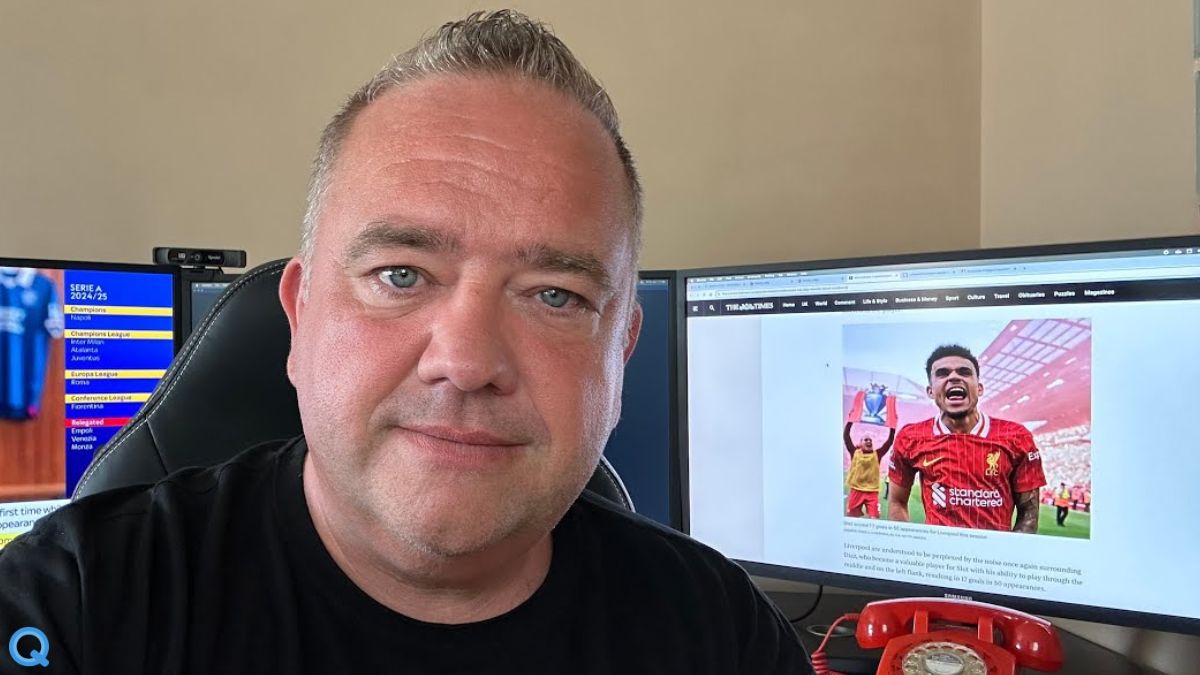
Paul Joyce is widely regarded as one of the most dependable voices in modern football journalism. Best known for his work with The Times, he has built a reputation grounded in accuracy, restraint, and deep knowledge of the game. His coverage of Liverpool FC has made him a trusted source for readers who value clarity over speculation.
Although the name appears in multiple professional fields, this article focuses on the journalist whose reporting has shaped how football news is consumed in England and beyond. His career reflects a consistent commitment to verified information, thoughtful analysis, and professional integrity.
Early Life and Professional Beginnings
The early stages of Paul Joyce’s career were shaped by traditional newsroom discipline. Like many respected reporters, he began by covering local football, learning the importance of accuracy, deadlines, and source development. These formative years established habits that continue to define his work.
Rather than chasing attention, he focused on understanding the structure of the sport—clubs, management systems, and player dynamics. This foundation later allowed him to report with context rather than surface-level commentary.
Building a Career in Football Journalism
Developing Credibility
As his career progressed, Paul Joyce moved into national-level reporting, where competition is intense and credibility is essential. His advancement was not driven by sensational headlines but by consistency. Editors and readers alike recognized that his reporting could be relied upon.
He cultivated relationships across clubs and organizations, giving him access to informed perspectives without compromising editorial independence. This balance is difficult to maintain, yet it has become one of his defining strengths.
Covering the Modern Game
Football journalism has evolved rapidly, with digital platforms accelerating the spread of information. In this environment, Paul Joyce maintained a disciplined approach. He reports developments only when they are sufficiently verified, avoiding the cycle of rumor and correction that often undermines trust.
His work reflects a clear understanding of the sport’s complexity, from transfer negotiations to managerial decisions and long-term club strategies.
Role at The Times
A Platform for High-Quality Journalism
At The Times, Paul Joyce operates within a publication known for rigorous editorial standards. His role involves covering major football stories with precision and context, ensuring that readers receive accurate and meaningful information.
Scope of Coverage
His reporting includes:
- Premier League fixtures and analysis
- Transfer developments backed by confirmed sources
- Insights into club management and operations
- Player performance assessments grounded in observation
Each piece reflects careful research and editorial discipline.
Editorial Standards
Working within a respected newsroom reinforces his commitment to:
- Verification before publication
- Clear, structured writing
- Balanced perspectives
This environment allows his work to stand apart from fast-moving but less reliable reporting elsewhere.
Liverpool Coverage and Influence
Consistent Focus on a Major Club
Coverage of Liverpool FC is a defining element of Paul Joyce’s career. His reporting on the club has become a reference point for readers seeking dependable information.
Depth Over Sensationalism
His approach to Liverpool coverage emphasizes:
- Context behind decisions rather than speculation
- Accurate timelines of negotiations and developments
- Tactical and structural insights that explain outcomes
This depth provides readers with a clearer understanding of events, rather than isolated headlines.
Relationship with the Audience
Supporters recognize the difference between immediate rumors and confirmed developments. Over time, Paul Joyce has become associated with the latter. His updates are read with confidence because they reflect careful verification.
Reporting Style and Editorial Approach
Precision and Clarity
A defining feature of Paul Joyce’s writing is its clarity. He avoids unnecessary complexity, presenting information in a direct and structured manner. Each sentence contributes to the reader’s understanding without distraction.
Evidence-Based Reporting
His work is rooted in:
- Verified sources
- Observational analysis
- Contextual understanding of football operations
This method ensures that articles remain relevant beyond immediate news cycles.
Measured Tone
His tone remains professional and balanced. Rather than amplifying controversy, he focuses on explaining developments and their implications. This approach aligns with the expectations of readers who value substance over spectacle.
Professional Reputation and Industry Standing
Trust Built Over Time
In football journalism, trust is earned gradually. Paul Joyce has built that trust through consistent accuracy and responsible reporting. His name carries weight not because of volume but because of reliability.
Recognition Among Peers
Within the industry, his work is respected for its integrity. Other journalists often rely on similar standards, but few maintain the same level of consistency. His reporting reflects a clear understanding of journalistic responsibility.
Influence on Information Standards
His approach has contributed to raising expectations among readers. Audiences increasingly distinguish between confirmed information and speculation, a shift that benefits the quality of sports journalism overall.
Broader Context: Other Figures Named Paul Joyce
The name Paul Joyce appears in several professional fields, which can create confusion for readers encountering it without context.
Music and Composition
One notable example is Paul K. Joyce, whose work in television music has earned recognition in a completely different domain.
Academic and Institutional Roles
Other individuals with the same name are active in academia and public service, contributing to research, education, and governance. These roles highlight the diversity associated with the name, though they are unrelated to journalism.
Key Achievements and Contributions
Career Milestones
Over the course of his career, Paul Joyce has:
- Established himself as a leading football journalist in the UK
- Contributed extensively to a major national publication
- Built a reputation for accurate and responsible reporting
- Developed strong insight into one of the world’s most followed football clubs
Contribution to Readers
His work provides clarity in a crowded information landscape. Readers benefit from reporting that prioritizes truth and context, allowing them to understand developments without confusion.
Commitment to Professional Standards
His career demonstrates that accuracy and discipline remain essential in journalism. By adhering to these principles, he has sustained relevance in an industry defined by rapid change.
Lasting Impact on Sports Journalism
The influence of Paul Joyce extends beyond individual articles. His approach reinforces the importance of:
- Verification before publication
- Contextual reporting
- Editorial responsibility
These principles shape how informed readers engage with football news.
As digital platforms continue to evolve, the need for reliable reporting becomes more significant. Journalists who maintain high standards contribute to a more informed audience and a healthier media environment.
Conclusion
Paul Joyce represents a model of professionalism in football journalism. His work demonstrates that careful reporting, supported by strong editorial standards, can maintain relevance in a fast-paced media landscape. Through his coverage of Liverpool FC and broader football developments, he has built a reputation grounded in trust.
While the name appears across different professions, his contribution to journalism stands out for its consistency and integrity. His career offers a clear example of how reliable information, presented with clarity, remains essential to meaningful reporting.
FAQs
1. Who is Paul Joyce?
Paul Joyce is an English football journalist known for his work with The Times and his coverage of Liverpool FC.
2. What makes his reporting distinctive?
His reporting is defined by accuracy, verified sources, and a focus on context rather than speculation.
3. Which publication does he work for?
He writes for The Times, a major UK newspaper with strong editorial standards.
4. Why is his Liverpool coverage significant?
His consistent and reliable reporting on Liverpool FC has made him a trusted source among readers.
5. Are there other professionals with the same name?
Yes, the name is shared by individuals in music, academia, and public service, including composer Paul K. Joyce.
